In the Navajo tradition, cleanliness of the body is very important.part of culture And this cleanliness also applies to a way of being.
One needs to live in harmony with the beauty of life. The Navajo land is rugged mountains, and arid dryland with miles of nothingness.
The people are materially poor, but they don’t have a great value on material wealth. It is a land of customs. If you were to visit a neighbor in a remote area, you might beep your horn when you arrive. They would come out of their Hogan structure and wave.You would stay in your car. In five or 10 minutes they would come out again and that meant they were ready for a visit.
The conversation would begin when you introduce yourself by your clan, your mothers clan, your father‘s clan, and their parents clan. Your host would do the same.
Then they might offer you a Coke or some coffee and you would have a few minutes of social conversation. Then the purpose of the conversation would begin. Often there would be long silences. You don’t bother to acknowledge to someone or tell them you heard what they said. It is assumed that you have been listening.
In order to stay in a state of harmony with life occasionally you might have to arrange for a Sing. A Sing is three or four days of rituals led by a medicine person. They would create a ritual to bring you back in the harmony. It would be songs, chants,sandpainting. In the old days, there were at least 60 different types of rituals for different life situations. Not much different than paying a therapist $125 for 15 or 20 visits.
I am fascinated by this way of living. It was a culture built out of an oral tradition. Most of the Navajo tradition was lost in the 1860 wars when Navajo people were killed in battle or relocated.
I don’t have a lot of experience with Ritual. . The closest thing I have experienced was in the Episcopal church in the book of common prayer.
There were rituals for all of the life’s passages: death, marriage, birth, morning, evening, communion, sickness, and celebration. These rituals were handed down from the 1662 Prayer Book.
In terms of stress and confusion, rituals have a way of holding our psyche in good places. I personally like parts of both traditions.
Native traditions are more nature based. The book of common prayer is attuned more to the life of Jesus and our relationship to God and the mystery of the Spirit.
I plan to follow parts of the Navajo Way when I die.
First of all, you don’t die in your own home because your ghost becomes trapped inside and can wreak havoc when you’re gone. So it’s best to be die outside, It is suggested you be buried with a bunch of money and food for four days, your hair washed, and your shoes on the wrong foot.
That way if your ghost tries to follow you he will get confused. I particularly like the idea of being outdoors when I pass. Debbie if you are reading this don’t worry. Our prenuptial agreement states that you get to die first.
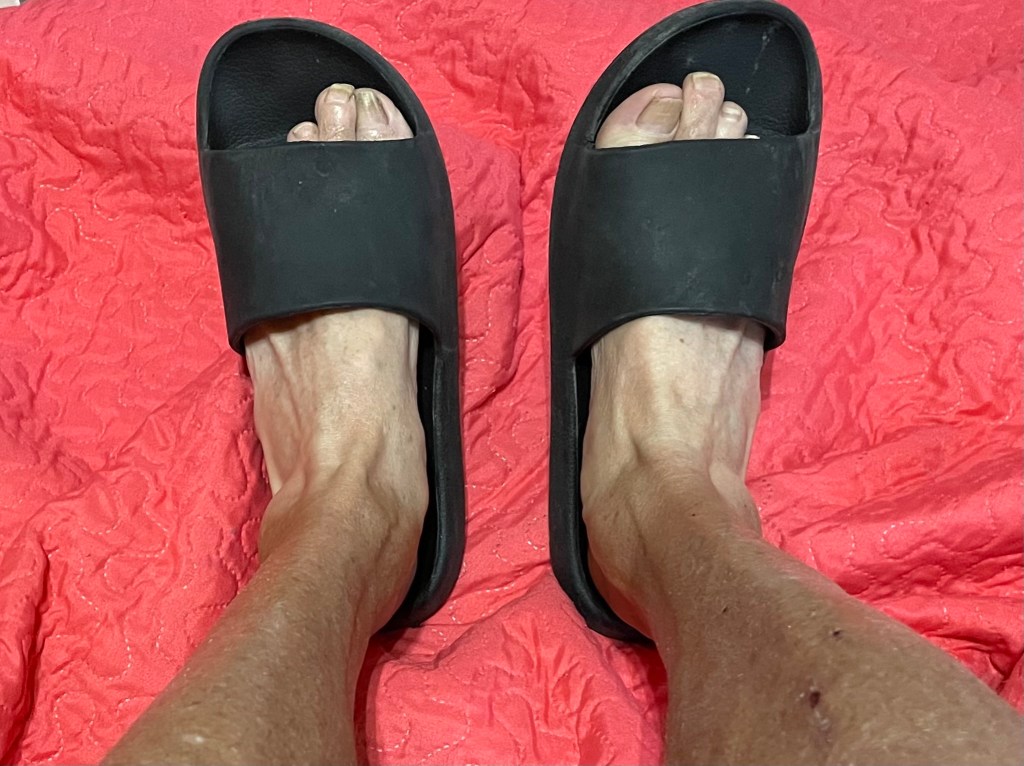
In terms of ghosts , I will definitely wear my shoes on the wrong feet. I’m not taking any chances.
Also from Steve, MARRIAGE
Here’s a great clip from THE PRINCESS BRIDE. TAP the http link BELOW picture to open🤞
Marriage is not for the faint hearted. Joseph Campbell wrote: marriage is an ordeal. The way to negotiate marriage is to invent a third partner in marriage named the relationship. Then you begin to realize that you are not giving into your partner when there is a disagreement, you are surrendering to the god/goddess of relationship.
While not every relationship situation calls for sacrifice, this strategy make sacrifices more palatable and peaceful.
In the US, John and Julie Gottman did scientific study of relationships. They said they could predict after a 10 minute interview if a marriage was sustainable or successful.
You do have to wonder why in the world would someone spend 40 years of their life trying to find the secret to successful marriage.
Some ideas they discovered were that instead of focusing on working out conflicts and finding solutions in marriage, they focused more on regulating conflicts and making them more peaceable. Slower is better.
They also found out that every marriage has its unique style and that impeccable therapeutic communication was simply another style. A better bet was focusing around creating a 5 to 1 ratio of pleasant to unpleasant experiences in relationship.
The.Tao de Ching keeps it simple
Stop thinking, and your problems will end. What’s the difference between success and failure?
The poet, David Whyte noticed that we pick our partners not because they will make us happy. Instead, we pick partners that know how to push our buttons and elevate our suffering. It’s our job to enjoy the mystery and beauty of this kind of challenge and transform it.
Its doable. The practice is called thinking from the end. A couple holding hands and smiling at one another with the certainty and emotions of love. More than faith. The certainty that our intentions carry power. That the seeds of our thoughts when focused will manifest. That our universe is generous and abundant.
These are some of the teachings that have helped our relationship. We are both honest and stubborn. We are now celebrating our 5000th morning of laughing and sharing intimate connection with each other,
I just made up those number by the way. Another trick that I learned from Debbie ….the facts of life just aren’t that important.🎶🎶🎶😊
Along those lines….from Debbie, WORDLE
It is true that Steve and I have very different thought processes. A funny example…Always, I mean always, if we are sitting in a parking place he will back the car out the exact opposite direction I would have chosen. It helps to know that we have different approaches. We often use our differences to advantage. Playing Wordle is one way we combine our differences. Steve is analytical. I am intuitive. We both want to guess the word in no more than 3 tries. There’s a lot of give and take and a bit of frustration trying to do Wordle together each morning. We’re just so different! But we feel so god when day after day we beat the odds and share the triumph! Here’s one of our recent favorites.


 Steve & Debbie’s Grand Adventure
You complement each other kindly!!
LikeLike
this was fun, thanks!
LikeLike